
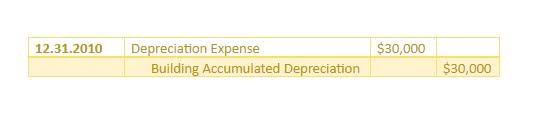
This adjustment must also be recorded in the company’s general ledger with a credit to Cash and a debit to Bank Fees Expense. This adjustment must also be recorded in the company’s general ledger with a debit to Cash and a credit to Loans Payable or Notes Payable. In bank accounts that have large numbers of transactions, there might often be a small unaccounted variance between the book and bank balance. The Miscellaneous Adjustments pop-up window is intended to record specific adjustments, their amounts and the reason. If no reason can be discovered for the variance, note the variance in the Prior Period Adj Variance field and it will be carried forward into each bank reconciliation until it can be addressed. As it usually happens, there will continue to be unaccounted variances, and over time they may cancel out.
How Are General Ledgers Used in Financial Close?
- This type of reconciliation helps confirm that the company pays only for goods and services actually received and at the agreed-upon prices, thus preventing overpayments or duplicate payments.
- If your team struggles with these, consider a standardized process for handling and documenting complex transactions.
- Worse, mutable data across systems creates inconsistencies in the data throughout the order-to-cash accounting process.
- This preparation demonstrates strong financial controls and minimizes the risk of unwelcome surprises during an audit.
- The checkbox to reconcile checks is disabled for checks that have already been reconciled.
Duplicating entries happens most often when company policies aren’t set or those accounting policies aren’t followed. Make sure each team member understands their role so that two people aren’t posting the same entry. If your accounting software posts an entry automatically (like it may do for depreciation or certain accruals), manually review those entries to verify they are correct and haven’t been posted twice.
- HubiFi, for example, offers seamless integrations with popular accounting software, ERPs, and CRMs, further enhancing the automation and accuracy of your reconciliation process.
- During financial close, an enterprise finalises its accounting records for a specific period (e.g., monthly, quarterly, or annually) to ensure accurate financial reporting.
- It is a complete record of all financial transactions over the life of a company.
- The larger and more complex your transaction volume, the harder these issues are to catch manually—especially across multiple systems.
- You’ll record total wages paid to your employees as a debit, and record deductions as a credit.
Streamlining Reconciliation with Automated Matching
Whether it’s spotting duplicate entries or making sure your expenses are coded correctly, reconciliation helps maintain financial health and gives you peace of mind. Xenett does a lot of the heavy lifting for you, which means fewer errors and more accurate financial records. This method helps you identify any unusual changes in your accounts and ensures that all expenses are recorded accurately. This process should be done regularly, like at the end of every month, so that your bank balance and ledger stay aligned. General ledger reconciliation is the process of checking your financial records to make sure they are accurate.
- Learn how to manage P-Card reconciliation with a step-by-step process, best practices, and tools to improve accuracy and compliance.
- Inventory reconciliation ensures your recorded inventory levels match your actual physical inventory.
- Look for reconciliation software that can flag potential duplicates, saving you time and headaches.
- But when you regularly check (or reconcile) your GL, you make sure everything adds up correctly, which helps you avoid mistakes.
- Account reconciliation helps businesses drive informed executive actions.
Regular Review and Follow-up

With automation solutions like Solvexia, you can perform accurate and timely reconciliation processes in no time. From data integrations to secure data storage and easy-to-read reports, and by adhering to data reconciliation best practices, there’s nothing you’ll be lacking when it comes to GL reconciliation. As you know, the GL reconciliation process can take up a lot of valuable time. Since data is stored across multiple sources and must be compared side-by-side, manual reconciliation is less than optimal. Without software, it means that your team is spending time to both locate source documentation and then go through it line by line.

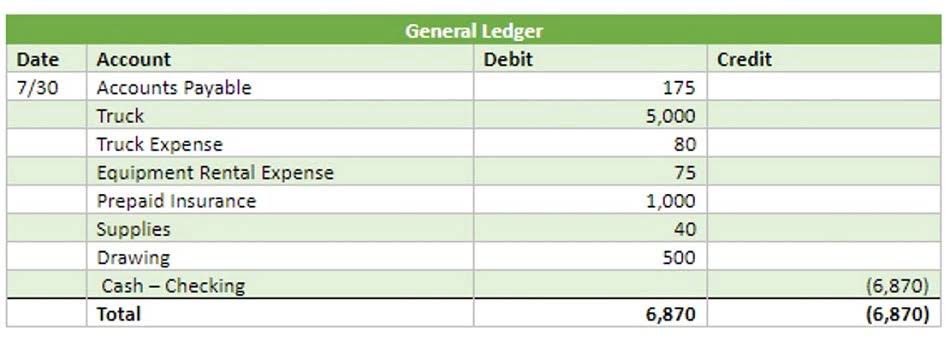
The trial balance is a key report used in the general ledger reconciliation process. It lists the ending balances for all general ledger accounts over a specified period, typically a month or quarter. Accurate and up-to-date financial records, achieved through diligent ledger reconciliation, are essential for informed decision-making. Reliable financial data enables business leaders to analyze the company’s financial health accurately, make strategic planning decisions, assess investment opportunities, and mitigate risks effectively. Imagine having an automated reconciliation solution that automatically matches and categorizes transactions, thereby eliminating the manual process.
These represent legitimate reconciling items that will naturally resolve in subsequent periods, unlike errors that require correction. Understanding the components of a general ledger is crucial for anyone involved in the financial reporting process. It not only ensures accuracy in financial statements but also provides insights into the financial health and operational efficiency of a business. By mastering these components, professionals can ensure that their general ledger reconciliation is accurate and meaningful, providing a solid foundation for financial analysis and decision-making.
Turning Month-End into Confirmation
For a deeper look at internal controls and their importance, explore this guide to general ledger reconciliation. General ledger reconciliation means comparing GL balances against external records. For example, if What is bookkeeping your GL shows a bank account balance of $100,000 but the bank statement shows $95,000, you investigate differences like outstanding checks or deposits in transit. After adjustments, both balances should match, providing accurate reporting. If the GL and independent source balances don’t match, the reconciler must identify the reason(s) for the variance.
Account reconciliation compares two sets of financial records, ensuring that the general ledger balances accurately match against external statements, such as bank or vendor records. It helps identify and correct discrepancies and confirms that transactions recorded are consistent across systems. Put differently, a company’s general ledger acts as a “data pool” of all general ledger reconciliation meaning transactions, which relevant accounting staff can pull from to generate custom financial statements and reports. It focuses specifically on reconciling your bank account balance in your general ledger with your bank statement. General ledger reconciliation, on the other hand, encompasses a broader range of accounts, including bank accounts, credit card accounts, accounts receivable, accounts payable, and more.
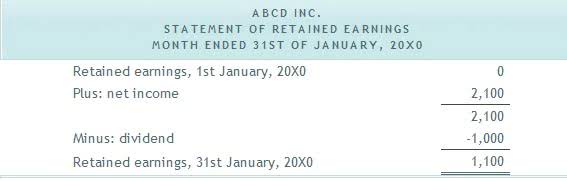
Though these are a few of the most common, businesses often perform many other types of reconciliation to maintain accurate, compliant, and audit-ready books. Confirms that general ledger balances align with real transactions and supporting documents. Eliminate manual errors and simplify your GL reconciliation process with AI. For instance, the person who prepares for GL reconciliation should not be the same person who reconciles accounts. Similarly, the person responsible for reconciliation must not be the same as the one who approves it.
Rebate Management Data Sheet
This step often involves scrutinizing financial transactions for consistency and accuracy, including dollar amounts and dates of entry. This helps make sure that each transaction is properly and accurately recorded in the ledger and in the actual supporting documentation. Mutable historical records make life incredibly difficult for auditors, and thus for the internal teams whose work is being audited. They won’t be able to find the financial transactions that power your general ledger chart of accounts because there’s a lack of data lineage. All of a sudden, your https://kdezidiomas.com.br/wholesale-payment-processing-solutions/ audit bill goes through the roof and your weekend plans go out the door.
Leave a Reply